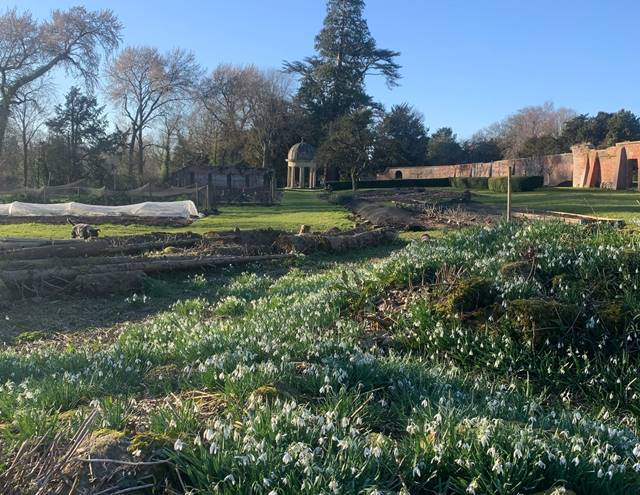


Snowdrops in mass, buds on trees begin to swell and split, Daffodils start to bloom, light stretching to 5:45, the very occasional ray of sunshine warms your face to deliver a short but long-missed natural high. Our monthly garden blog returns!
These can only mean one thing.
Spring is here.
Maybe it's not officially spring, but it's a state of mind, and my mind is currently all about new sowings and fresh green growth.
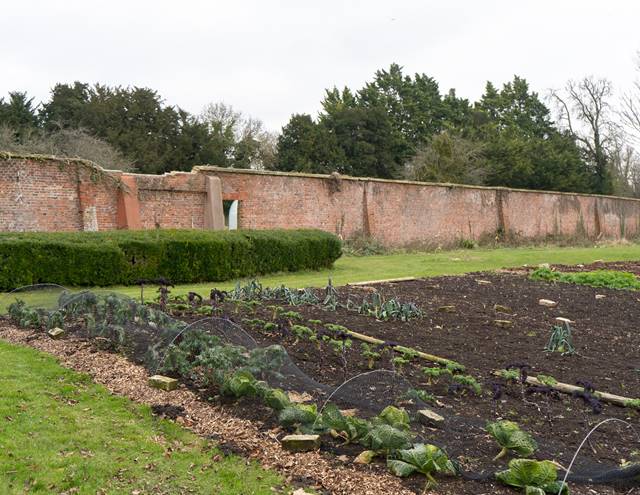
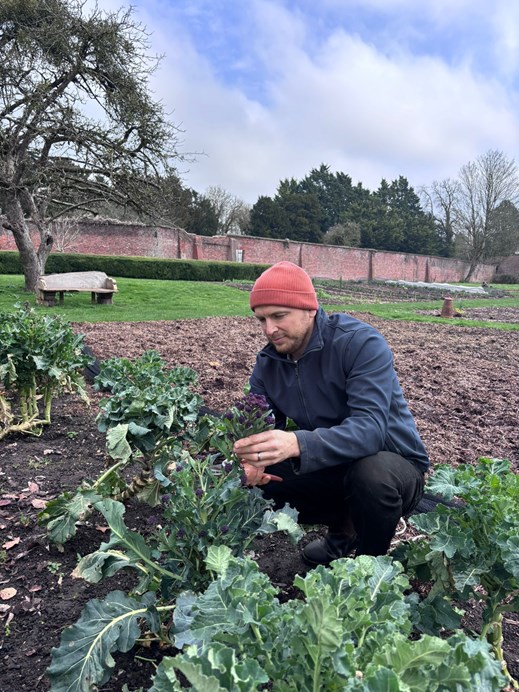
The main garden is just beginning to stir with a hive of activity just beneath the surface, with the worms breaking down all the organic matter we have spread over winter. Most of the action above ground is happening in the purple sprouting broccoli patch. Sown at the solstice, transplanted after the new potatoes, and it has been quietly growing until its moment of glory arrives. Three different varieties mean they should crop successively for another 4 weeks. Like sunshine, the flavour of fresh, vibrant greens is much missed. It still blows me away how extraordinary freshly picked, naturally grown veggies can taste.
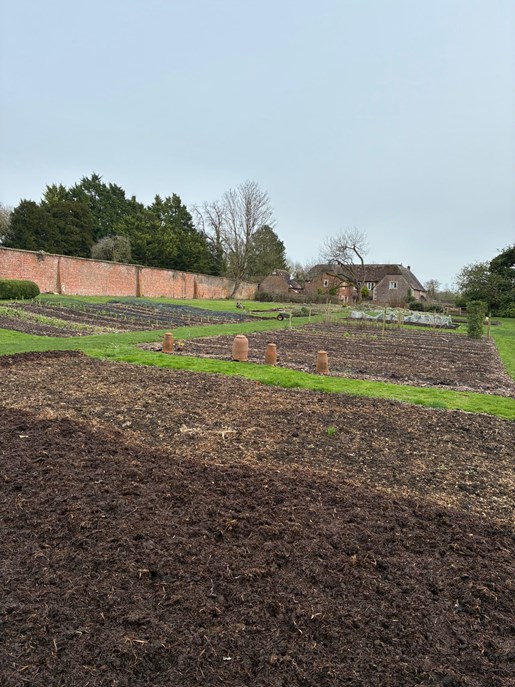
Normally, at this time, we would be frantically trying to keep covers over the broccoli against pigeons before they peck it to bits, but not this year for some reason. It's one job less, but I feel uneasy when things don't happen that normally happen.
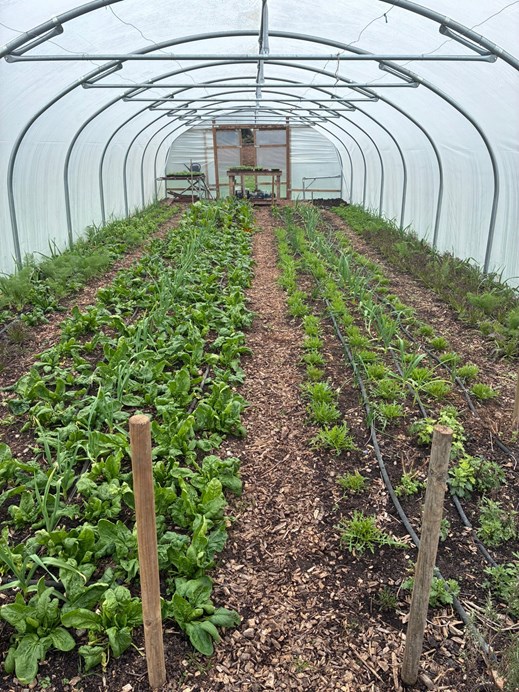
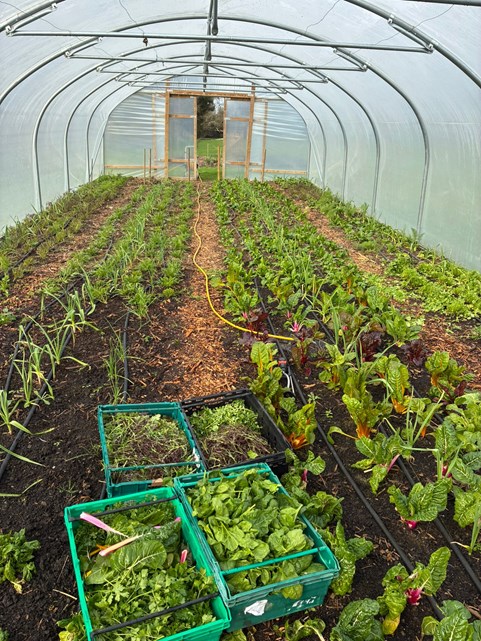
The polytunnel, though, feels properly alive. With the added protection - and this unusually mild spell - we’re harvesting spinach, chard, herbs, and a wide selection of winter salad leaves for our brilliant chefs. Step inside, and it’s a different season altogether.
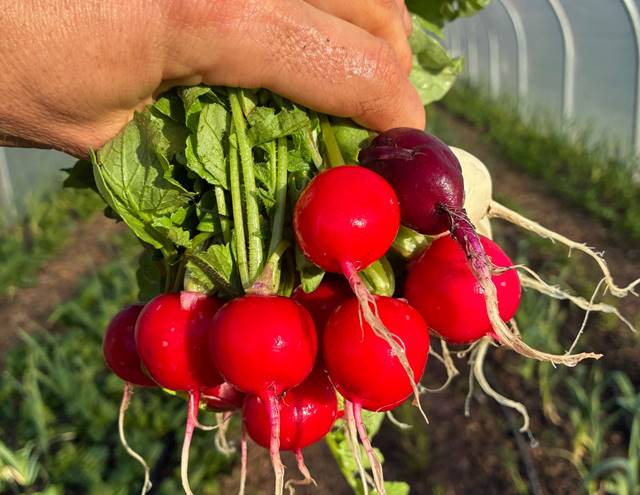
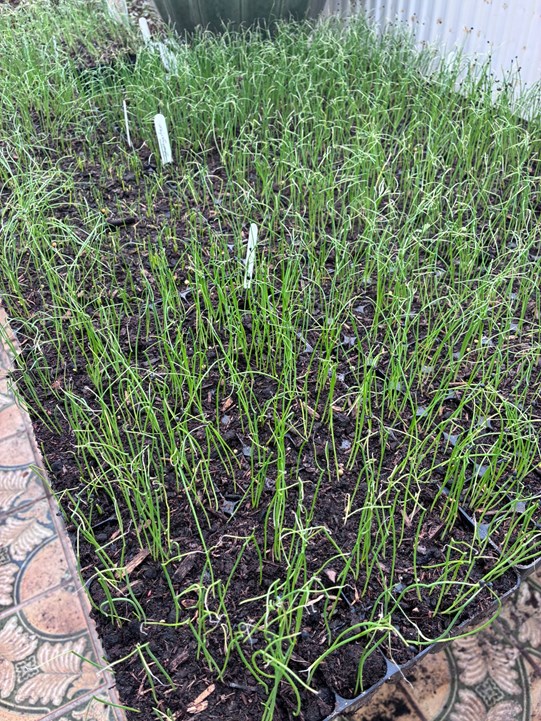
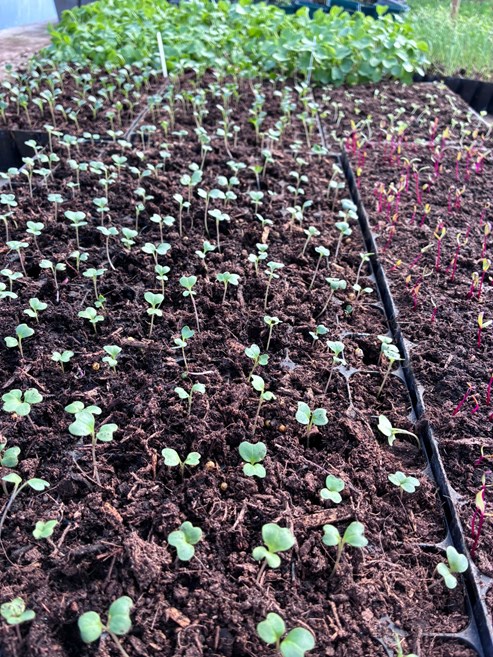
February’s real headline is that we have the green light to sow again. Spring onions, onions, radish, turnips, broccoli, lettuce, cauliflower, cabbage, beetroot and spinach - all hardy enough to tolerate a light frost
Unlike summer and autumn, spring gives us a little leeway. Sow now, sow later, it's up to the grower, it’s a fine line between starting a little earlier, and hopefully enjoying early harvest, or starting 10 days later, which can give stronger growth of certain plants.
Obviously, I couldn’t wait and started sowing the first week of February, and so far it's paid off as the mild weather with no frosts and occasional sunny days has helped the seedlings along well and they are looking healthy.
If you’ve got spare seed, now’s the time to experiment. Sow a few that “shouldn’t” be sown yet. See how they cope. You’ll learn more from one slightly risky sowing than from reading seed packets. There’s a surprising amount of misinformation printed on the back of them. It’s a way of learning how they cope with cold and dark conditions. It's easy to germinate seeds indoors by a radiator. The tricky part is finding enough light to stop stems from becoming leggy and weak.
Peppers, aubergine and tomatoes are big sowings that need both heat and light throughout the seedling stage. A safe bet is to start them the first week of March. Again, I am out of the blocks early as I have heat mats and grow lights indoors to help them through this delicate period. But one thing I have learned is that seedlings can often catch up, regardless of whether you sow a week earlier or later.
I am confident 2026 will be our best growing year, producing more quality produce than before, with an additional few beds and another year of experience under our belts. But what the weather holds, of course, is completely out of our hands. It's like being dealt a round of cards; you just have to play what you're given.
All our seeds are now ordered for veggies and cut flowers for the year ahead. This is something I would recommend doing if you want to grow year-round. Always better to be looking at them than looking for them.
New additions I'm excited to see: ‘meatball’ aubergine ‘Flaming barrel’ beetroot, ‘Shishito’ peppers and the exotic African horned cucumber. These are grown in very small amounts as testers alongside the usual tried and tested crops the chefs rely on
March sowings, alongside February’s hardy varieties, will include celeriac, leeks, carrots and first early potatoes. February moved at a snail’s pace, but suddenly everything will accelerate. Before long, we’ll be running around like mad again.
It has been unusually warm, but rainfall is around 80% above average so far this year. So I couldn’t be more grateful to Sam, my number two in the kitchen garden, who has been out there regardless — shifting compost, mulching beds and preparing for the year ahead in all conditions. It’s not been glamorous work, but it lays the foundation for the abundance to come.
My new recipe is up - Soy braised celeriac, pickled chillies, walnuts and mustard leaves
Until next time…
Darren Stephens
Chef-Gardener, Bishopstrow